Skip to content

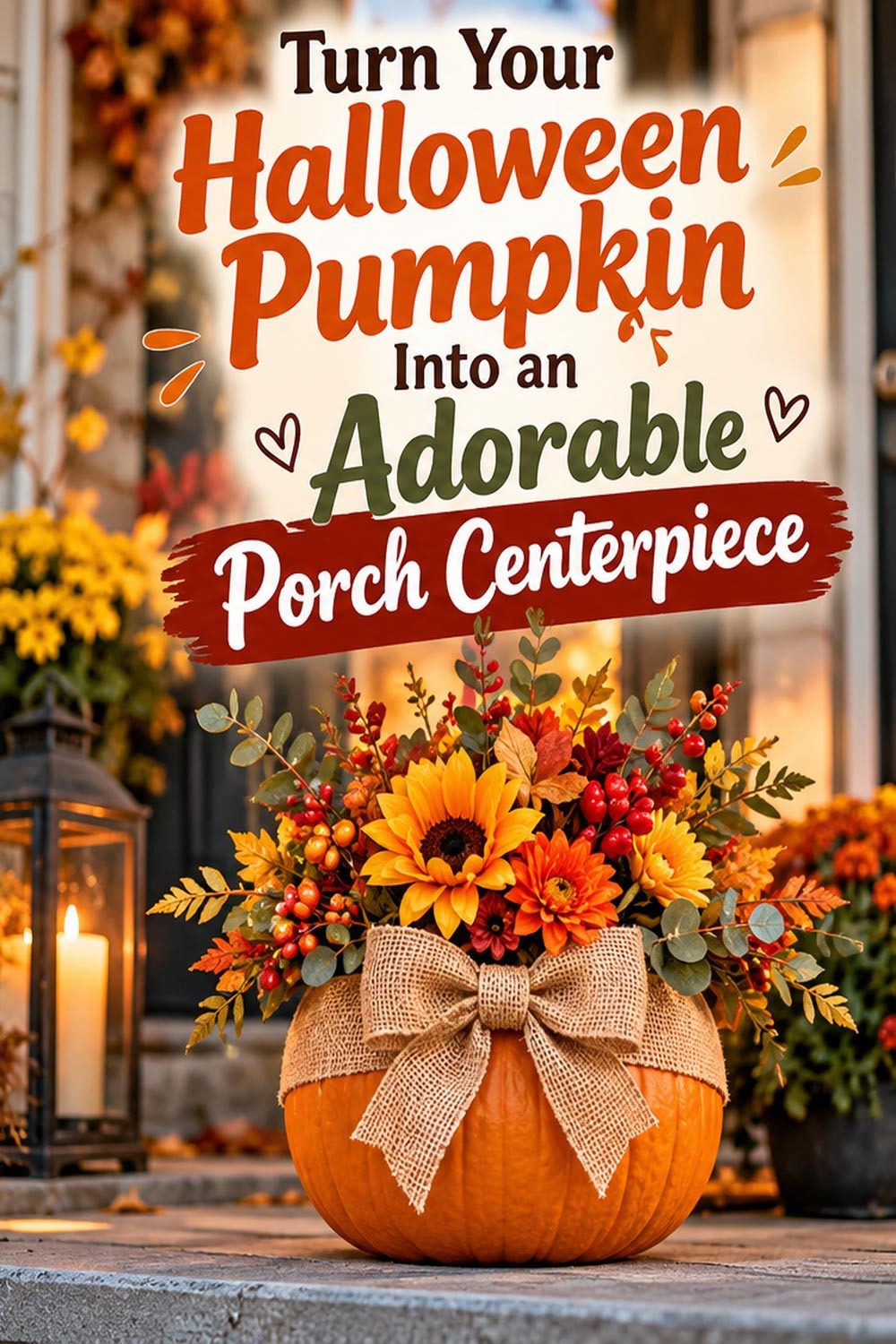
Most Halloween pumpkins live the same short, undistinguished life: purchased from a supermarket car park, carved into a triangle-eyed face with a candle shoved inside, placed on a porch for two weeks, and composted by November. They deserve better. You deserve better — and so does your porch, which has the potential to be the most charming entrance on your street with almost no additional effort.

The difference between a pumpkin that gets noticed and one that gets ignored is almost entirely about approach — and this guide covers the approaches that actually work. No advanced carving skills required. Just pumpkins, a few supplies, and the willingness to treat your porch like it deserves a moment.
Choosing Your Pumpkins With Intention
Before a single thing is done to a pumpkin, the selection matters more than most people realise. The best porch displays use a mix of sizes, shapes, and varieties — not three identical orange spheres from the same supermarket bin.
What to look for:
- Large statement pumpkin — your anchor piece. Tall and substantial, this one carries the display.
- Medium companion pumpkin — slightly different shape to the large one. A flatter, wider variety next to a tall one creates visual contrast.
- Small accent pumpkins — two or three mini pumpkins in different colours: white, deep green, pale yellow, or the small warty orange varieties.
Variety options beyond standard orange:
- Cinderella pumpkins — wide, flat, deeply ribbed. The most beautiful pumpkin variety for decoration.
- White pumpkins — clean and versatile. Takes paint beautifully and pairs with everything.
- Blue-grey Jarrahdale — a slate-toned variety that looks extraordinary paired with copper and dried botanicals.
- Mini Jack Be Little — tiny orange classics perfect for clustering at the base of a display.
The combination of sizes and varieties is already 60% of a beautiful display before anything else is done.
The No-Carve Techniques That Actually Look Stunning

No-carve pumpkins last significantly longer than carved ones — up to four to six weeks versus one to two — and the design options are genuinely more interesting.
Paint techniques:
- Matte black with metallic details — paint the entire pumpkin with matte black acrylic or chalk paint. Once dry, use a fine brush loaded with gold or copper metallic paint to add stars, moons, botanicals, or geometric patterns. The contrast is dramatic and beautiful.
- Colour blocking — paint the bottom two-thirds of a white pumpkin in a deep colour (forest green, navy, dusty rose) and leave the top third natural white. The colour break follows the pumpkin’s natural waist. Simple and very striking.
- White pumpkin with black line drawings — use a fine black paint marker to draw botanical illustrations, spiderwebs, or simple faces directly on a white or cream pumpkin. It looks like a printed design from a distance.
Texture techniques:
- Decoupage with pressed leaves or tissue paper — brush Mod Podge onto the pumpkin surface, press your chosen material flat against it, then seal with another layer over the top. Dried flowers, autumn leaves, and vintage tissue paper all look extraordinary.
- Glue gun gems or beads — a monochrome pumpkin covered in pearl or black beads in a geometric pattern looks theatrical and glamorous.
- Twine wrapping — wrap a pumpkin tightly with natural jute twine from base to stem, securing each round with dots of glue. Rustic, textural, and looks beautiful in a styled display.
Building the Display: Composition Principles

A single beautiful pumpkin is nice. A composed display is a destination. These principles turn a collection of pumpkins into a centrepiece.
The height rule:
Place pumpkins at different heights. Use a wooden crate, a stack of books under a cloth, or an upturned terracotta pot as risers. A flat arrangement at the same level reads as a line; a staggered arrangement reads as a scene.
The odd number rule:
Three, five, or seven elements always look more natural than even numbers. This applies to pumpkins, to accent objects, to everything.
The layering principle:
Build front to back:
- Back layer — your tallest elements. A bundle of dried corn stalks, a tall lantern, or a large blackboard sign.
- Middle layer — your large and medium pumpkins, raised on risers if needed.
- Front layer — small pumpkins, gourds, decorative apples, and natural filler materials that spill slightly forward.
Natural filler that adds enormous richness:
- Dried eucalyptus branches
- Bundles of wheat or dried lavender
- Loose autumn leaves scattered naturally around the base
- Small terracotta pots of ornamental kale or mums
- Acorns, pine cones, and small gourds filling gaps
Lighting That Makes the Whole Display Glow

Lighting is the element that transforms a daytime display into an evening destination — and it requires almost no effort to get right.
Lighting options:
- Battery-operated fairy lights — wind them through and around your pumpkin grouping. Warm white or amber tones only. Cool white breaks the autumn warmth of the whole display.
- LED flameless candles — place inside any carved pumpkins for a safer, longer-lasting glow that doesn’t require supervision. The flickering function on most LED candles is convincing enough at distance.
- Lanterns — a lantern with a pillar candle or LED candle placed beside or among your pumpkins adds height and visual warmth without competing with the pumpkins themselves.
- Copper wire lights — more delicate than standard string lights, these can be twisted into and around pumpkins and naturalistic elements for a particularly magical effect.
Lighting placement tip: always position your light source behind or below pumpkins rather than above — light coming from below and within is how pumpkins naturally glow, and anything else reads as artificial.
Your Porch, Your Moment
Halloween porch decorating is one of the few times a year that outdoor décor is expected, celebrated, and actively engaged with by everyone who walks past. Your porch is going to be seen — the only question is whether it’s seen as an afterthought or as something genuinely beautiful.
Save this guide before October and share it with anyone whose porch could use a moment this season. The pumpkins are already out there. They’re just waiting to be treated like the centrepiece they have the potential to be.